Business Transfer: What It Is, How It Works and the Difference from Buying a Company
Discover the fundamental difference between business transfer and buying a company. In this comprehensive guide, we explain the tax advantages, legal risks, and what you should analyse before investing, to avoid inheriting debts or losing the lease contract.

Contents
In summary: a business transfer is the definitive transfer of an operating establishment — the agreed assets and elements that allow the business to continue — without necessarily buying the company that owns it. The contract must clearly identify what passes to the buyer and what remains with the seller.
Are you thinking of investing in your own business but don’t want to start from scratch? You’ve probably heard of business transfer. This is one of the most popular ways to acquire a business in Portugal, but it is also one of the most misunderstood.
Many entrepreneurs confuse “business transfer” with the simple “buying a company” or with leasing the space. If you choose the wrong model, you could end up paying debts that are not yours or losing the lease contract.
If you already know what you are looking for, check the business transfers for sale in Portugal published on the platform, by sector and location.
In this guide, we explain what a business transfer is, what taxes are involved (VAT, Stamp Duty), how to deal with the landlord, and the difference from buying shares.
What Is a Business Transfer, After All?
A business transfer is the definitive transfer of a commercial or industrial establishment.
Contrary to popular belief, a business transfer is not the sale of the walls (property) nor the sale of the company (business/NIF). It is the sale of the “operating unit.” When making a business transfer, you acquire a “package” ready to invoice that includes:
Tangible assets: furniture, stock, machinery, equipment, and fittings.
Intangible assets: the brand, the customer portfolio, the goodwill (the reputation of the location), the license, and, fundamentally, the right to lease the space.
Golden rule: in a business transfer, the ownership of the business changes, but the legal entity (the NIF of the selling company) remains with the former owner. The buyer integrates the establishment into their own company or sole proprietorship.
Business Transfer vs. Buying a Company (Share Deal): What’s the Difference?
This is the most common question. The choice between these two modalities defines the risk you will assume.
1. Buying a Company (Share Deal)
You buy the shares or quotas of the company. You become the owner of the NIF and the entire history of the company.
Risk: you inherit everything, including unknown debts, old labour lawsuits, or past tax errors.
Advantage: you keep the same NIF, bank accounts, and credit history.
2. Business Transfer (Asset Deal)
You only buy the assets that make up that establishment.
Risk: much lower. The debts of the selling company (as a rule) do not pass to the buyer.
Advantage: you start “clean,” only with the assets, but with an already established clientele.
Quick Comparison Table
Characteristic | Business Transfer (Sale of the Establishment) | Buying a Company (Transfer of Shares) |
|---|---|---|
What do you acquire? | The establishment (fittings + right to the location). | The company (NIF + assets + liabilities). |
Old debts | Remain with the seller (unless labour succession occurs). | The buyer inherits all debts and liabilities. |
Lease contract | Can be transferred under legal and contractual terms; requires written form and communication. | Remains unchanged (the company is the same). |
Employees | Can be transferred under Article 285 of the Labour Code. | Remain with the company. |
Taxation | Can be outside the scope of VAT if legal conditions are met. | Exempt from VAT. |
Business Transfer vs. Lease Assignment: Don’t Confuse!
Many people search for “business transfer” when, in fact, they only want to manage the business for a while.
Business Transfer: is a definitive purchase. The business becomes yours forever.
Lease Assignment (or establishment rental): is a lease of the business. The owner remains the proprietor; the operator only pays a monthly rent to operate the space and use the equipment. At the end of the contract, they return the business to the owner.
If you don’t have the capital to buy the business transfer outright, the lease assignment can be a good way to test the market.
How Much Does It Cost? Taxes on Business Transfer
The tax treatment of a business transfer depends on the scope and structure of the operation. Before comparing proposals, confirm the specific framework with a certified accountant or lawyer.
1. VAT Treatment
The transfer of a universal set of goods may be outside the scope of VAT when it meets the conditions of Article 3, No. 4 of the VAT Code. The qualification depends on what is transferred and the continuity of the activity; do not automatically assume zero VAT.
2. Stamp Duty
The General Stamp Duty Table provides a rate of 5% for business transfers of commercial, industrial, or agricultural establishments (item 27.1). Confirm if the specific operation meets this item and what the taxable base is with a certified accountant or lawyer.
3. IMT (Municipal Tax on Transfers)
When the operation does not transfer the property, the IMT may not apply. If the property or equivalent rights are part of the business, the framework may change. Validate the complete structure of the operation before calculating taxes.
3 Critical Rules: Landlords and Employees
Before signing, confirm these three legal and operational issues, as they can determine whether the operation works as expected:
1. Communication to the landlord
In a business transfer that meets the requirements of Article 1112 of the Civil Code, the tenant's position can be transferred without the landlord's consent, but the contract must be written and the transfer communicated. The landlord may have a right of first refusal, unless otherwise agreed. Confirm the contract and applicable procedures before signing.
2. Continuity of the branch
To benefit from this regime, the transfer must preserve the establishment and cannot be intended for another branch of commerce or industry, unless the lease contract allows for the change. Confirm the authorized use of the space before purchase.
3. Employees (Article 285)
The Article 285 of the Labour Code provides for the transfer of the employer's position and the maintenance of workers' rights when an economic unit is transferred. Confirm which workers are covered, the information and consultation duties, and the responsibilities applicable to the operation.
Checklist: What to Ask Before Signing (Due Diligence)
Never proceed with a business without asking for these documents. If the seller refuses, be suspicious.
Permanent certificate of the selling company.
Certificates of non-debt (Tax and Social Security) — to ensure that the establishment is not encumbered.
Original lease contract and latest rent receipts.
Usage license and operating permit.
Detailed inventory (list of all included equipment).
IES (Simplified Business Information) for the last 3 years to validate actual billing.
List of staff and their respective employment contracts.
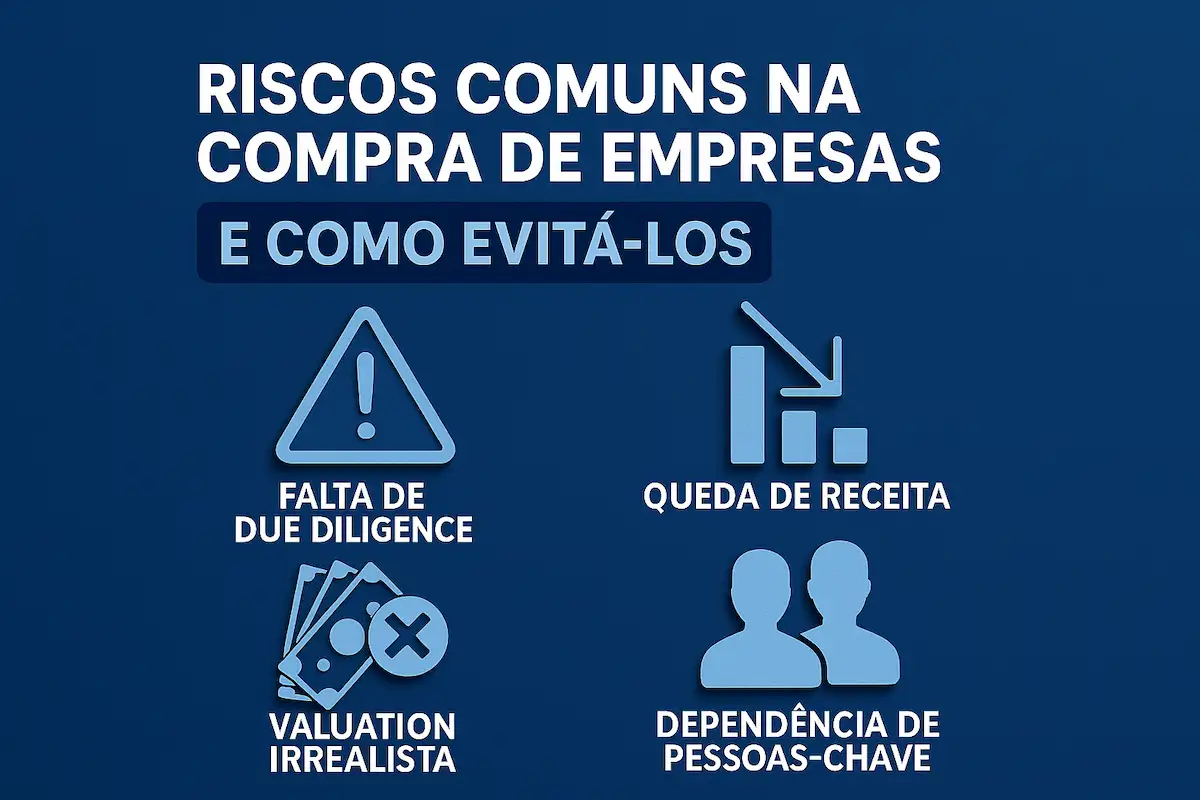
To delve into hidden liabilities and other alerts, also read about the common risks in buying companies and how to avoid them.
Conclusion: Is the Business Transfer Worth It?
A business transfer can allow you to acquire an already established operation, with assets, team, clientele, and location. However, the speed, risk, and tax treatment depend on the contract, the transmitted perimeter, and the prior verification of the business.
However, it requires thorough homework. The key to success lies in the clear distinction between buying the establishment (business transfer) or the company (buying a company) and in the correct verification of the lease contract.
Are you looking for verified business opportunities?
Explore our list of business transfers and companies for sale in Portugal.
If you are comparing alternatives, also check our guide on how to buy a company.
Official sources and resources
- Civil Code — Article 1112 — Diário da República
- Labour Code — Article 285 — Diário da República
- VAT Code — Article 3(4) — Diário da República
- General Stamp Duty Table — Diário da República
Next step
Move from research to real opportunities
Browse available businesses and apply what you have just learned to the opportunities that fit your goals.