Step-by-Step Guide to Buying a Business in Portugal
A detailed guide explaining the essential steps to acquire a business, from initial research to finalizing the purchase.

Contents
Buying an existing business in Portugal can be an excellent business opportunity, allowing entry into a market with established infrastructure. However, it is a process that requires attention to various details and steps to ensure a secure and advantageous transaction. This step-by-step guide will guide you from the initial preparation to the completion of the purchase.
1. Define Your Objectives
Before starting the search for a business, it is essential to know exactly what you want. Ask yourself:
What sector do you want to invest in?
Do you intend to manage the business directly or keep it as a passive investment?
What size of business (in terms of number of employees, turnover, etc.) are you willing to acquire?
Defining these questions allows you to refine your search and avoid wasting time on deals that do not meet your needs.
Before proceeding, also understand how much it costs to buy a business to set a realistic budget.
2. Research Businesses for Sale
There are several ways to find businesses for sale in Portugal:
Online platforms: there are specialized websites, such as Comprarempresa.pt, that allow you to search for businesses for sale by sector, location, and price.
Specialized consultants: mergers and acquisitions consultants, or specialized intermediaries, can help identify opportunities that are not publicly available.
Networking: personal or professional contacts may indicate businesses looking for a new owner but are not yet listed.
3. Conduct a Business Valuation
After identifying a potential business, it is essential to conduct a detailed valuation. The valuation should consider:
Turnover and profits: examine the accounts to determine the economic performance of the business.
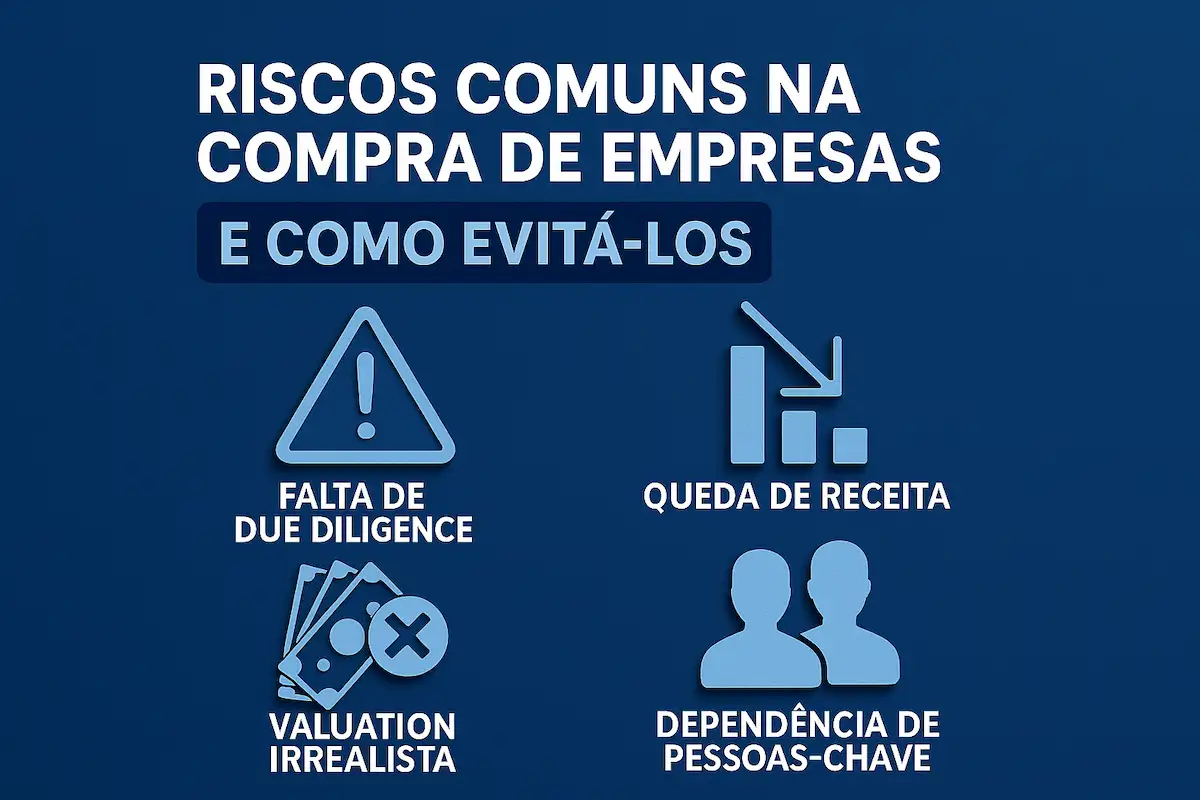
Assets and liabilities: check for any debts or obligations that you may inherit.
Reputation and customer base: assess the company's image in the market and its relationship with customers.
Growth prospects: consider whether the business has growth potential and if it aligns with industry trends.
4. Conduct Due Diligence
Due diligence is a detailed auditing and verification process that helps ensure that everything presented about the business corresponds to reality. At this stage, you should examine:
Financial aspects: detailed analysis of financial reports, including revenues, expenses, and profits.
Legal aspects: verification of contracts, licenses, operating regulations, and potential litigation.
Operations: check the infrastructure, equipment, and human resources of the business.
To delve deeper into this step, consult our due diligence checklist for buying a business.
5. Plan the Negotiation
With the results of the due diligence in hand, you will be better prepared to negotiate the terms of the purchase. Among the aspects that can be negotiated are:
Purchase price: based on the valuation and the results of the due diligence, negotiate a fair value for the acquisition.
Payment terms: you can opt for installment payments or negotiate other forms of financing.
Contingency clauses: include conditions in the contract that protect you from problems discovered after the purchase, such as hidden liabilities or undisclosed debts.
6. Secure Financing
If you do not have sufficient funds for the purchase, it is time to explore financing options. In Portugal, you can consider:
Bank loans: a loan for acquisition can be a good option if you have a good credit history and can demonstrate economic viability.
Seller financing: some sellers accept financing part of the purchase price, allowing you to pay in installments.
Investors: consider seeking investors or partners to help with financing, especially if the business has significant growth potential.
To explore this topic further, see our guide on how to finance the purchase of a business.
7. Finalize the Agreement
Once negotiations are complete and financing is secured, it is time to finalize the transaction. This phase includes:
Contract signing: ensure that the purchase contract is drafted according to the agreed terms and consult a lawyer to ensure everything is compliant with the law.
Transfer of ownership: formalize the transfer of ownership, both of physical assets and shares, as stipulated in the contract.
Post-purchase integration: plan how the management transition and integration of employees and customers will occur. Good communication with all parties involved ensures a smooth transition and increases the chances of success for the business under your new leadership.
Conclusion
Buying a business in Portugal can be a very rewarding journey, but it requires careful preparation and attention to detail. Following this step-by-step guide helps minimize risks and ensures you are well-informed at each stage of the process.
Ready to get started? See the businesses for sale in Portugal.